We are receiving a batch of cotton-polyester polos for a sports association, the design features a gradient of six colors, and the order is for twenty pieces. At this stage, the choice of printing technique determines the budget, wash durability, and final appearance. Rather than listing all existing methods, let’s focus on the concrete situations that guide the choice towards one or the other.
Fabric, volume, and design: the trio that decides before any printing technique
Most customization errors stem from an early choice of technique, made before asking three simple questions. First, the fabric: a light polyester does not accept the same inks as a dark cotton. Next, the volume: some methods only become cost-effective starting from several dozen pieces. Finally, the type of design: a two-color flat and a high-definition photo are not treated the same way.
See also : The best gourmet inspirations to make all your homemade cakes successful
This three-criteria grid helps avoid falling into the trap of “all DTF” or “all screen printing.” You can read Mamzelle H’s advice to delve deeper into each process, but the on-the-ground reflex remains the same: qualify the fabric, volume, and design before choosing.
Textile screen printing: reliable in large series, restrictive below
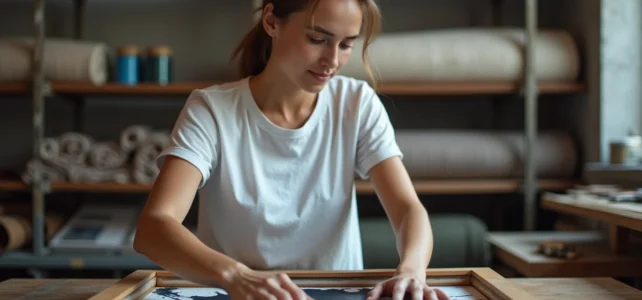
On the ground, screen printing remains the reference for high-volume orders. One frame per color, ink pushed through a mesh stencil, and the result withstands dozens of washes without flinching. For a logo in two or three flat colors reproduced on several hundred t-shirts, no other technique offers such a low unit cost.
Further reading : 10 Prospecting Techniques to Boost Your Business Sales
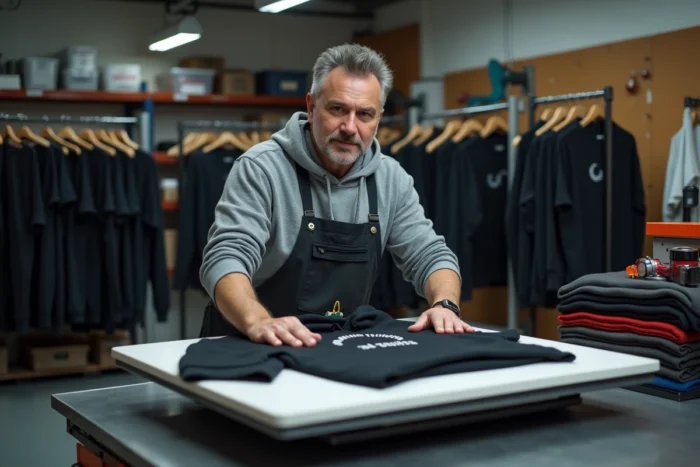
The constraint appears as soon as the project changes scale. Each additional color requires a dedicated frame, which increases preparation time and cost. On an order of ten pieces with a six-color design, the fixed setup costs make screen printing less relevant. This method is reserved for situations where the design is simple and the quantity sufficient to amortize the setup.
Another point to keep in mind: screen printing works on almost all types of fabric, thick cotton as well as synthetic canvas. Feedback varies on the flexibility of the finish depending on the weight, but durability remains a constant strong point.
When screen printing is essential
- Large series orders with a design in flat colors (company logo, event slogan).
- Various textiles (cotton, polyester, blends) where wash resistance is a priority.
- Projects where the unit cost must remain as low as possible, even if it means investing in initial preparation.
DTF on garments: the versatility of small multicolored series
DTF (Direct to Film) has gained considerable traction in customization workshops in recent years. The principle: we print the design on a transparent film, apply an adhesive powder, and then transfer it onto the fabric using a heat press. The result works on both cotton and polyester, light backgrounds as well as dark ones, with a single process.
DTF is cost-effective from a single piece, which changes the game for independent creators, associations, or small brands testing a design before launching a production. Multicolored designs, gradients, and photos incur no extra cost related to the number of colors, unlike screen printing.
Concrete limitations of DTF
The transfer leaves a noticeable film to the touch on the fabric. On light cotton, there is a slight thickness at the design area. This is not a dealbreaker, but on a high-end garment made of fine knit, the texture difference is noticeable. Wash durability is good, but does not reach that of a well-set screen print on thick cotton.
The DTF UV variant allows the same design to be used on fabric and objects (wood, metal, phone cases), which interests brands wanting to extend an identity across multiple supports in a coherent production flow.
Sublimation, embroidery, and direct-to-garment printing: three specific use cases
Rather than skim over each technique, here are the on-the-ground situations where each makes perfect sense.
Sublimation only works on light synthetic fibers. The ink turns into gas under heat and penetrates directly into the fiber, without a surface layer. The result is sharp, colors are vibrant, and the feel remains that of bare fabric. But on a 100% black cotton t-shirt, sublimation yields nothing. It is widely used for polyester sports jerseys, running gear, or technical textiles where comfort is paramount.
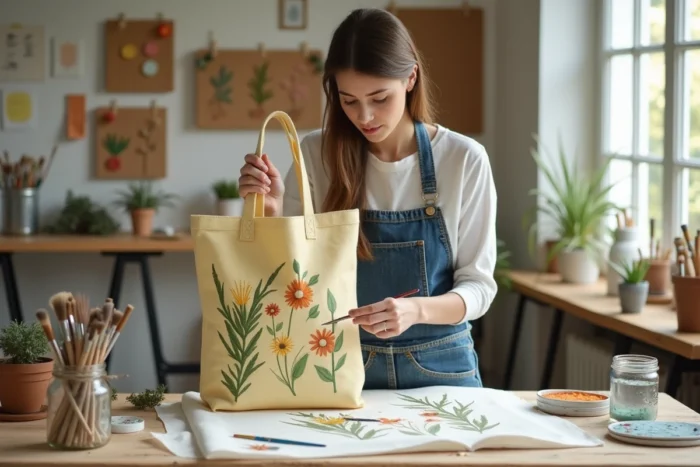
Embroidery operates on a completely different level. Mechanically stitched threads into the fabric provide a relief and durability that printing cannot replicate. For a company logo on a polo or jacket, embroidery adds a perception of superior quality. The limitation: very detailed designs or gradients cannot be rendered in thread. We stick to relatively simple patterns with a few colors.
Direct-to-garment printing (DTG) sprays ink directly onto the fabric, like an inkjet printer. It excels on cotton with photo visuals or complex designs in small quantities. The finish is soft, without added thickness. However, DTG requires pre-treatment of the fabric for dark colors, and the production speed remains lower than that of DTF for mixed cotton-polyester series.
- Sublimation: light synthetic jerseys, sportswear, technical textiles.
- Embroidery: corporate polos and jackets, simple logos, durable premium finish.
- DTG: photo visuals on cotton, unique pieces or prototypes, touch without thickness.
The choice of a textile customization technique is not just about aesthetic preference. It is the combination of fabric, order volume, and design type that guides the decision. A workshop that masters multiple processes can switch from DTF to screen printing depending on the project, whereas a single-tech provider will always steer you toward the same solution. Asking the right questions from the start helps avoid unpleasant surprises on the finished garment.