When crossing the Marais in Paris or the industrial wastelands of Pantin, urban culture is no longer just about graffiti on a concrete wall. It structures living spaces, guides fashion collections, and redefines what we hang in a gallery. Understanding these movements requires looking at where they are concretely born, not in press releases.
Third Places and Wastelands: Where Urban Culture Really Takes Root
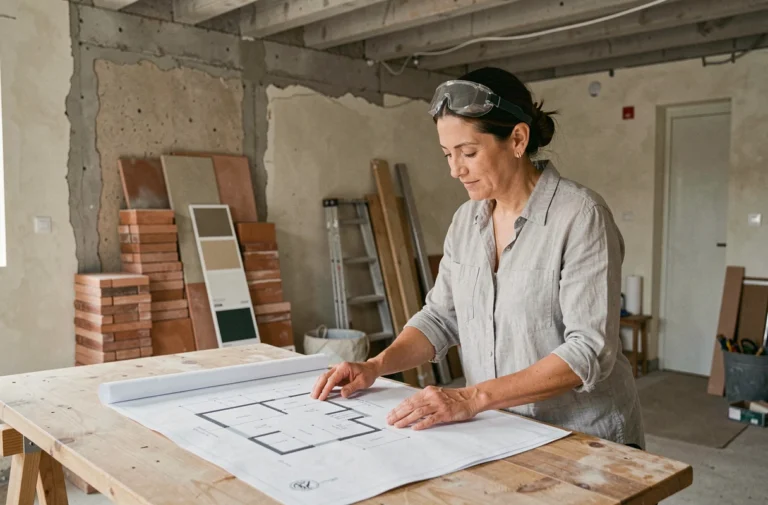
For a long time, the urban scene was associated with museums and contemporary art centers. The reality on the ground has changed. Since 2023, French public policies have directed an increasing share of funding towards third places (repurposed wastelands, hybrid spaces, shared workshops) rather than traditional institutions.
These places offer residencies for urban artists, workshops around street art and hip-hop cultures, often in neighborhoods far from tourist circuits. Urban culture is migrating to informal and mixed spaces, at the intersection of social, digital, and artistic realms.
This shift is not trivial. It coincides with a general decline in traditional cultural funding for museums and contemporary art centers. Artists working in mural painting, ephemeral installation, or urban dance find in these wastelands a creative freedom that institutional exhibitions struggle to provide. Analyses of these dynamics are regularly published on tripleldemag.com, a good entry point to follow the news of this scene.
Quiet Streetwear: Urban Fashion Abandons Logos
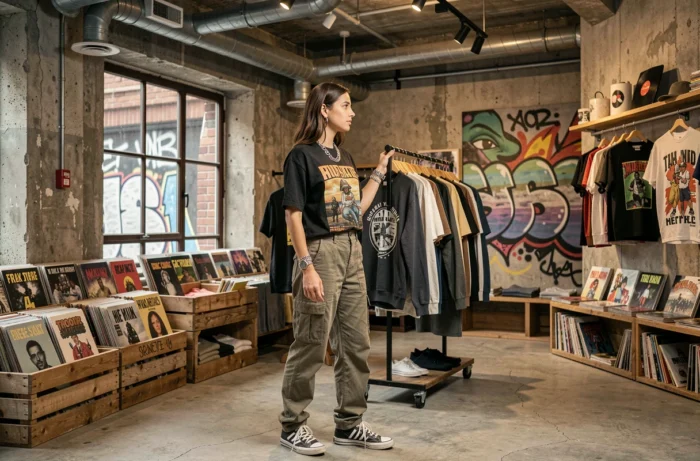
On the ground in boutiques and showrooms, the change is visible. Ostentatious streetwear, saturated with logos and flashy collaborations, is giving way to what market analysts call “quiet streetwear.”
Specifically, we observe a transition towards minimalist silhouettes where the quality of materials takes precedence over brand visibility. Heavy textiles, technical wool, and oversized yet structured cuts replace printed hoodies.
This mutation affects both the entry-level and luxury segments. “Heavyweight basics” (dense cotton t-shirts and sweatshirts, without prints) represent a rapidly growing category in the European market. The logic is simple: an urban consumer prefers to invest in a durable and understated piece rather than a logoed garment that goes out of style in one season.
What This Means for Independent Creators
For small urban fashion brands, this trend opens a window. No need for colossal marketing budgets to compete with streetwear giants. Textile know-how becomes the main selling point, not the logo’s notoriety.
Feedback on this point varies by market, but in France, creators who focus on local production and traceable materials are attracting a clientele that is gradually turning away from large chains.
Street Art and Contemporary Art: Boundaries Fall in Galleries
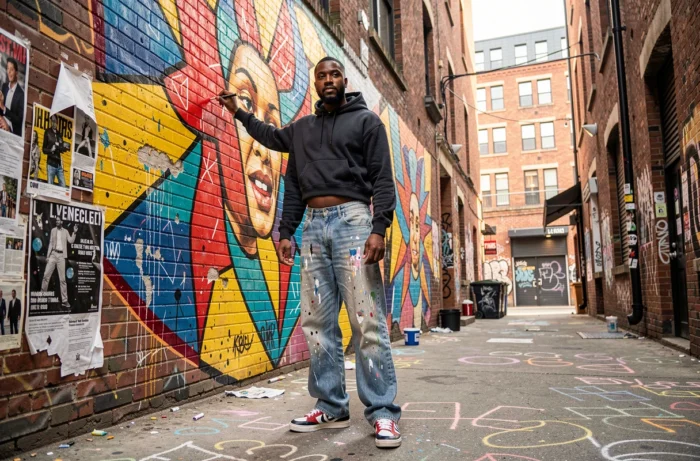
Urban art no longer only lives in the street. Street art festivals, exhibitions dedicated to graffiti artists, and auctions of urban works are multiplying. Portrait murals, which have gone viral on social media, attract visitors to entire neighborhoods.
The most striking trend remains the integration of street art into the traditional contemporary art market. Galleries that exclusively exhibited abstract painting or conceptual art now welcome artists trained in graffiti or stenciling.
- Large-scale murals, often hyper-realistic portraits, serve as tourist anchors in cities like Paris, Marseille, or Lyon
- Relief works and 3D installations from street art find their place in contemporary art fairs, with a collection potential that attracts new buyers
- Engaged art, carried by urban artists addressing social or environmental issues, gains visibility in institutional exhibitions
Pop Art and Urban Culture: A Legacy That Reinvents Itself
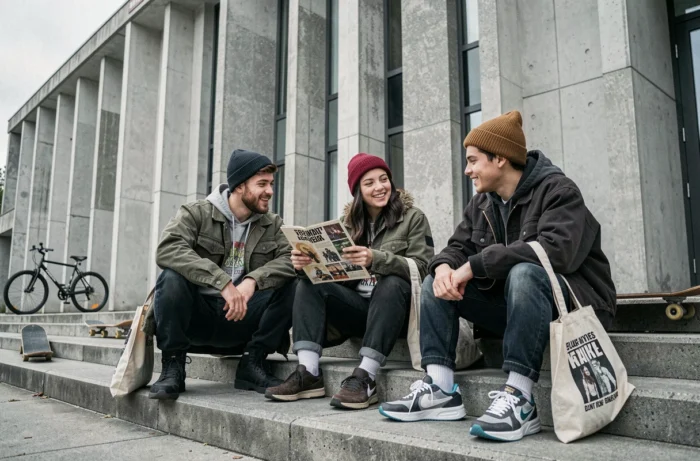
Pop art is making a marked comeback. In 2026, pop art works revisit urban culture icons rather than those of traditional consumer society. Artists draw from imagery of rap, skateboarding, and gaming, and transpose it onto canvas or into sculpture.
This crossover between pop art and street art blurs categories. A visitor entering a contemporary art gallery may find themselves facing a canvas that was stenciled on a wall in Belleville three years earlier. The accessibility of these works (bright colors, shared references) explains their immediate emotional impact.
Urban Festivals in France: Beyond the Spectacle
Festivals dedicated to urban culture are no longer limited to music. Recent events incorporate dance (battles, block parties), public mural painting workshops, and streetwear fashion shows.
These festivals function as laboratories where disciplines mix. A painter exhibits alongside a dancer, a clothing creator collaborates with a graffiti artist for a capsule collection. It is in these intersections that trends emerge that will later filter into galleries and boutiques.
- Multidisciplinary events attract a broader audience than specialized festivals, prompting organizers to mix formats
- The growing presence of third places as festival sites helps reduce logistical costs while providing an authentic setting
- Local authorities support these initiatives because they energize transitioning neighborhoods, with a measurable effect on attendance and the local economy
Urban culture in France is not just about a clothing style or a mural on a wall. It structures spaces, creates local economies, and reshuffles the cards of the art market. The upcoming seasons will confirm whether quiet streetwear and cultural third places establish themselves sustainably, or if new forms will take over.